Pawplay's chase, tug, lick, and forage categories are a simple way to choose a play activity. They are descriptions of possible interests, not a behavioral test or a prediction about what every dog in a breed needs. If a quiz suggests one style, use it as a starting idea and watch whether your dog actually enjoys that activity. The ASPCA's enrichment guidance supports offering opportunities for natural behaviors such as playing, chasing, smelling, and scavenging.
What the four labels mean
Chase means following a moving object in an appropriate, controlled setting. Tug means an interactive pull-and-release game with a person. Lick means working food from a suitable textured surface. Forage means searching or working for food. These labels organize activities on the site; they do not separate dogs into permanent types. A dog may choose several styles in one day or none in a given moment.
| Style | First activity to try | What to watch |
|---|---|---|
| Chase | Roll a suitably sized toy across a clear floor | Footing, collisions, and willingness to stop |
| Tug | Invite a gentle pull with a sound toy | Neutral body position and easy release |
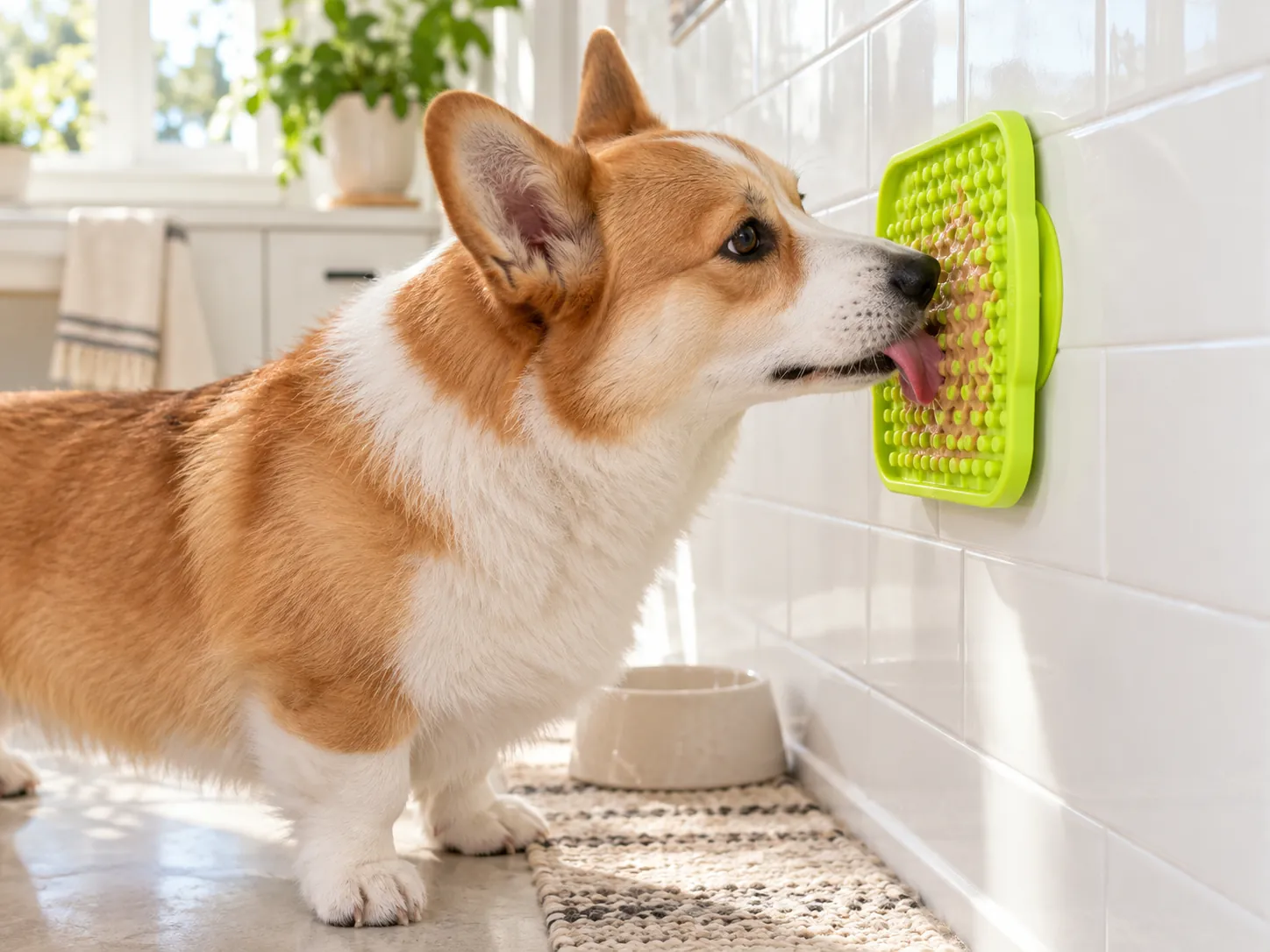
| Lick | Offer a thin spread of regular food on a mat | Licking rather than biting the mat |
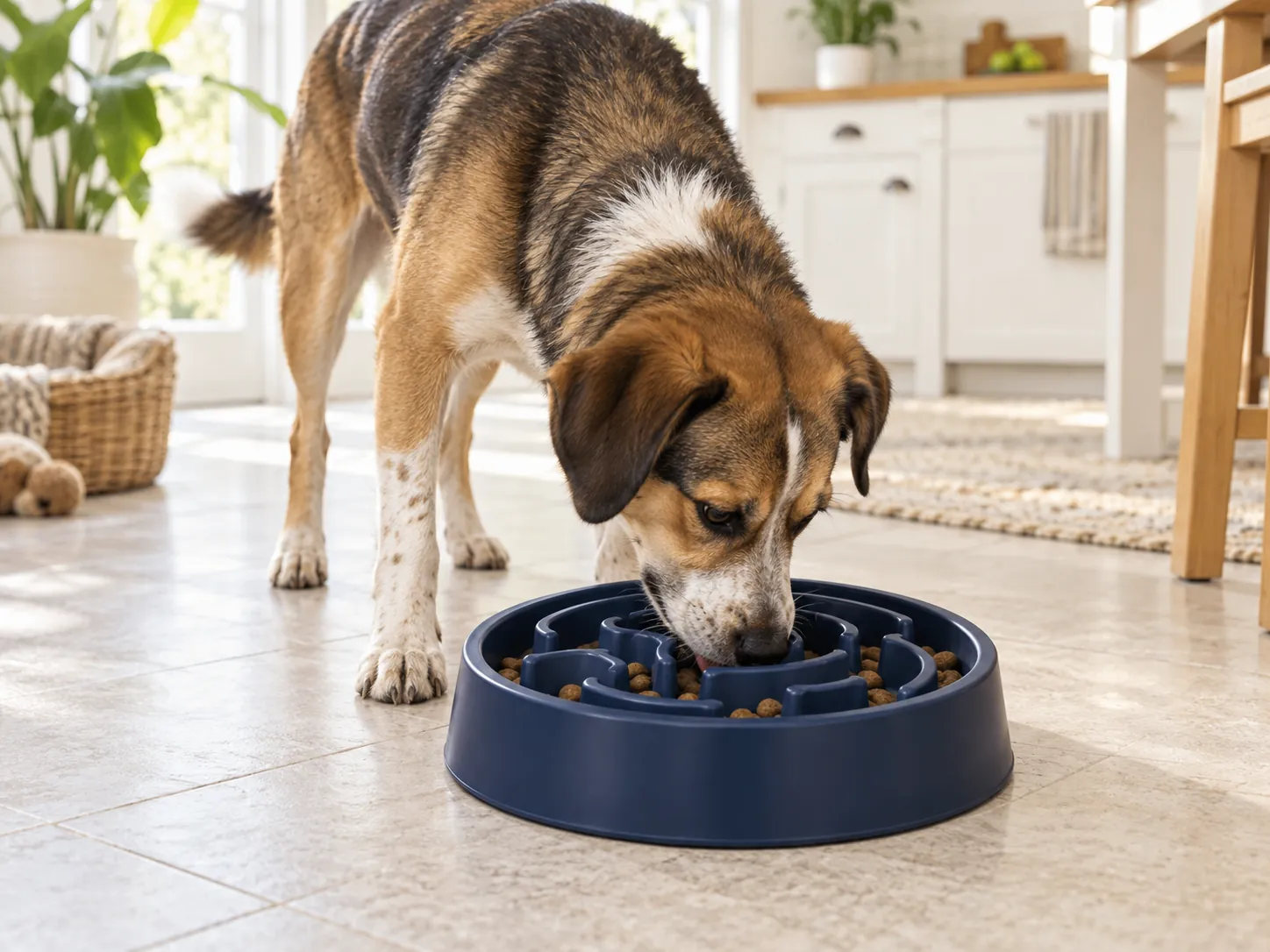
| Forage | Hide visible pieces of regular kibble | Comfortable searching rather than frustration |
The table is a menu, not a scorecard. If a dog ignores a rolled toy but eagerly sniffs for kibble, follow the dog. If a dog likes both, alternate them. A quiz answer is less useful than the behavior you can observe in a safe setting.
How the quiz should be read
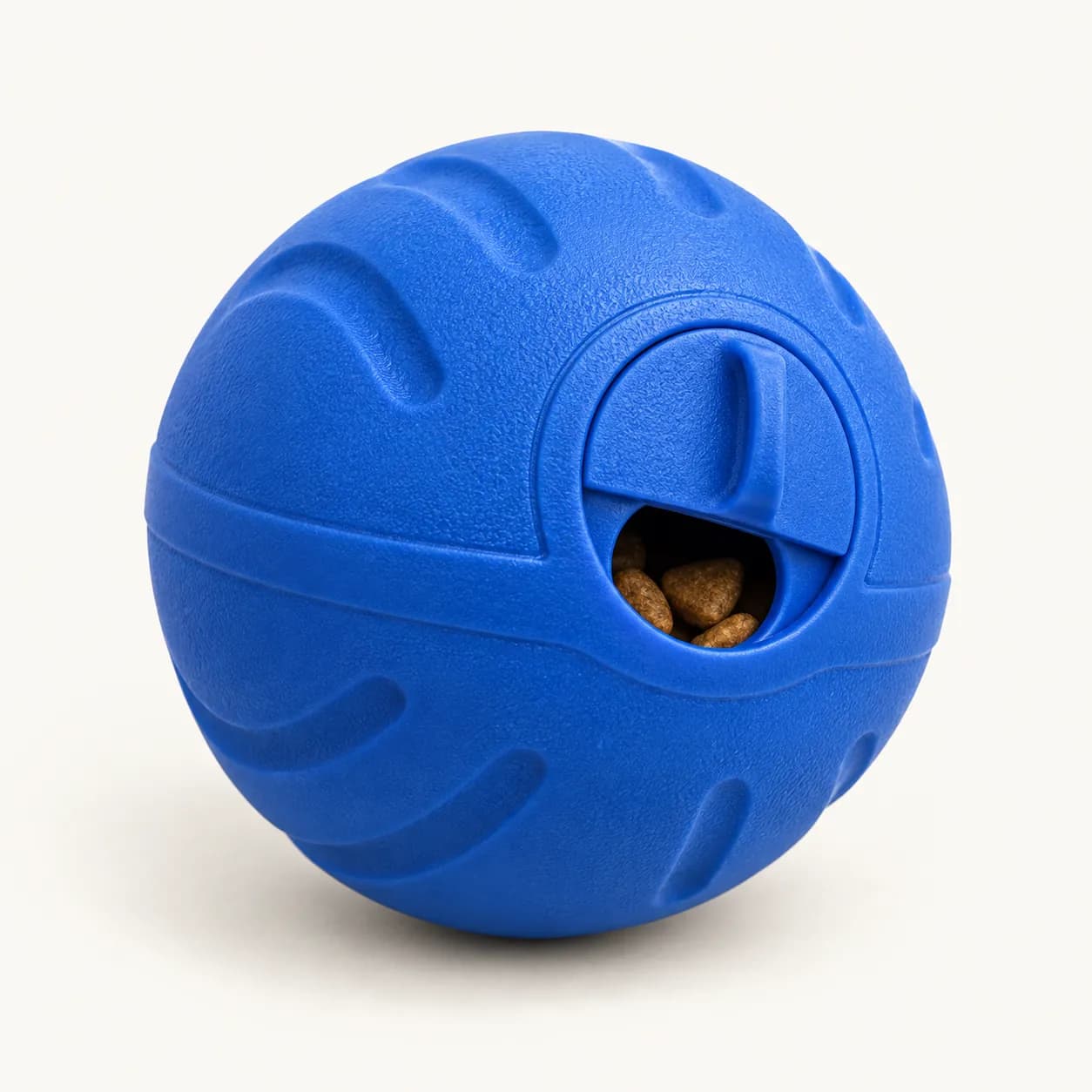
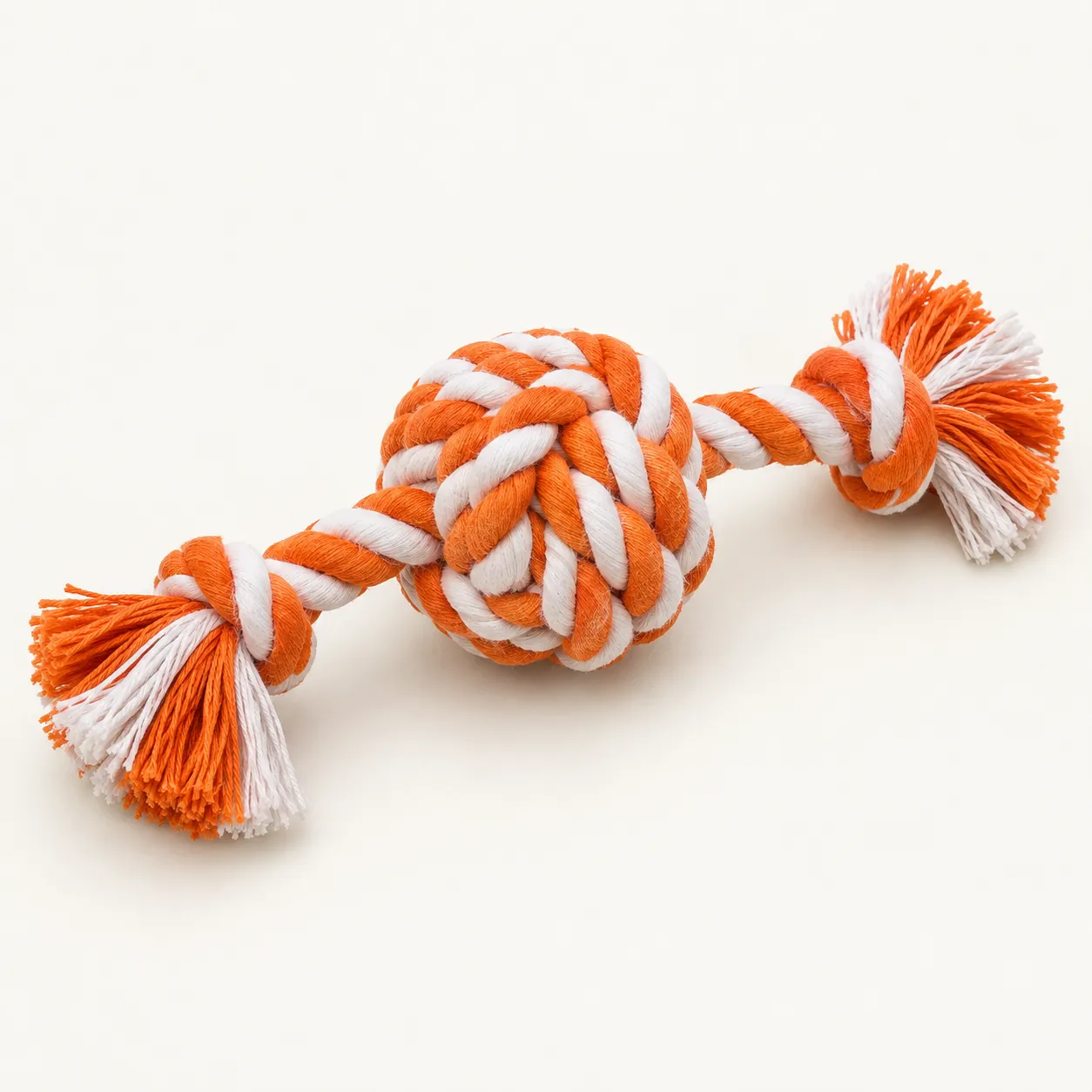
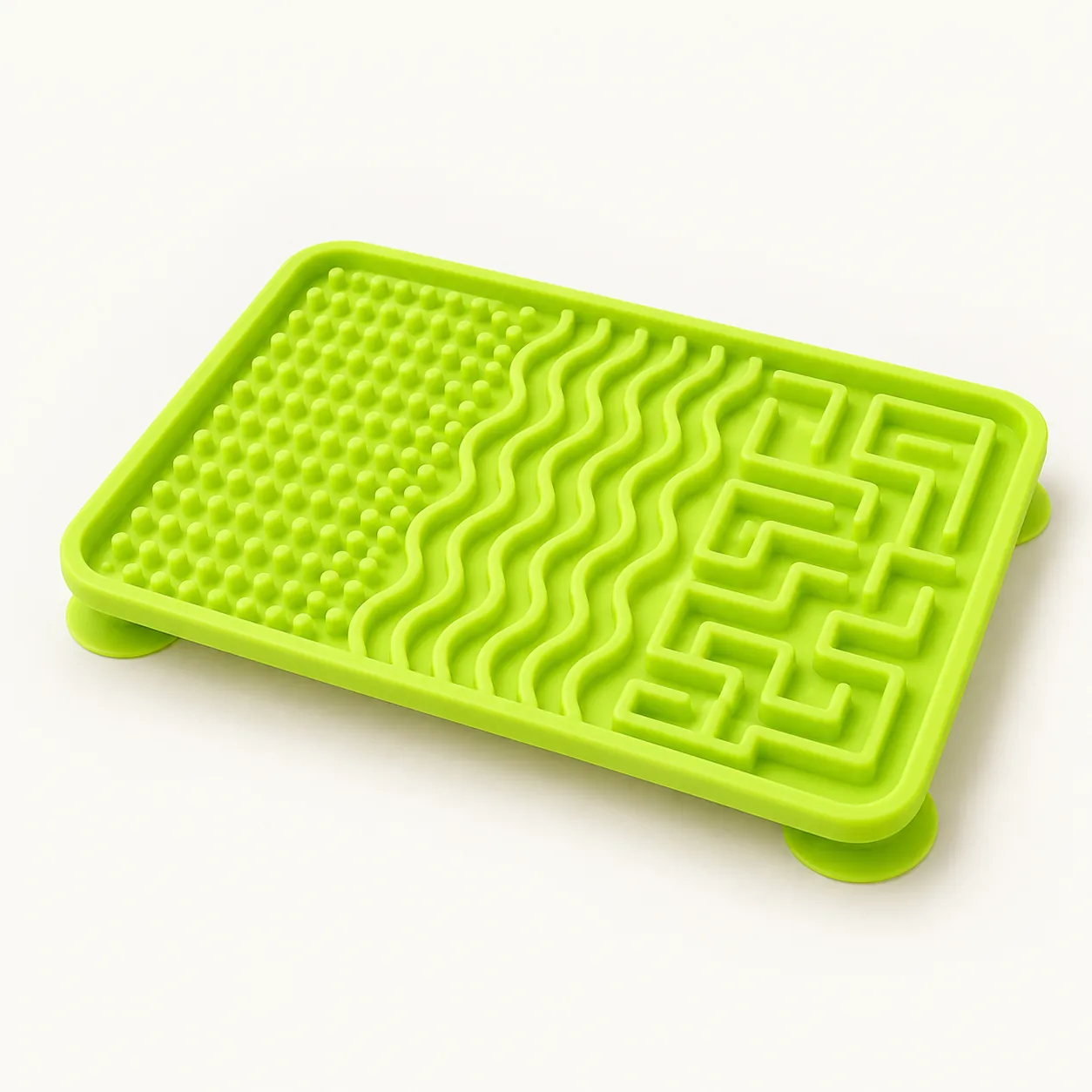
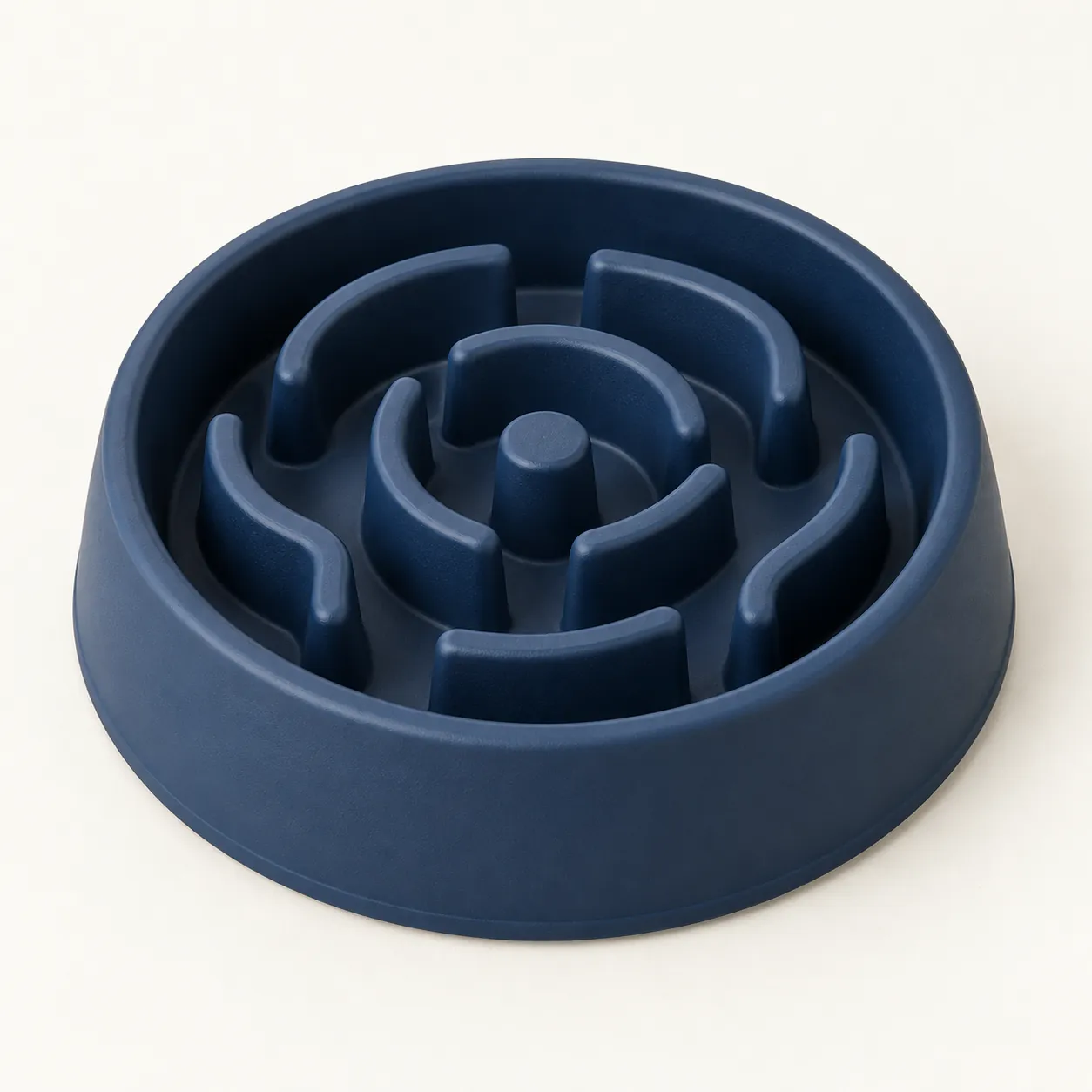
An online play quiz can only use the answers its owner enters. It cannot see pain, age-related limitations, food restrictions, room layout, toy condition, or the dog's behavior during the next session. A result should therefore be read as “try this first,” not “buy this now” or “your dog is this kind of dog.” Pawplay's pre-launch products are examples associated with each category: Treat Tumbler with chase, Tug Knot with tug, Lick Pad with lick, and Slow Bowl with forage. Final product specifications are pending, and the quiz does not establish suitability for an individual dog.
Ask a practical follow-up question after any suggestion: “Did my dog choose to take part?” A dog that walks away, starts biting a mat, or becomes frustrated with a food puzzle is giving you better information than a quiz. Try a simpler version or a different activity. The AKC's puzzle guide explains the basic food-puzzle task, but it does not mean every dog will enjoy the same puzzle.
Try each style without committing to a product
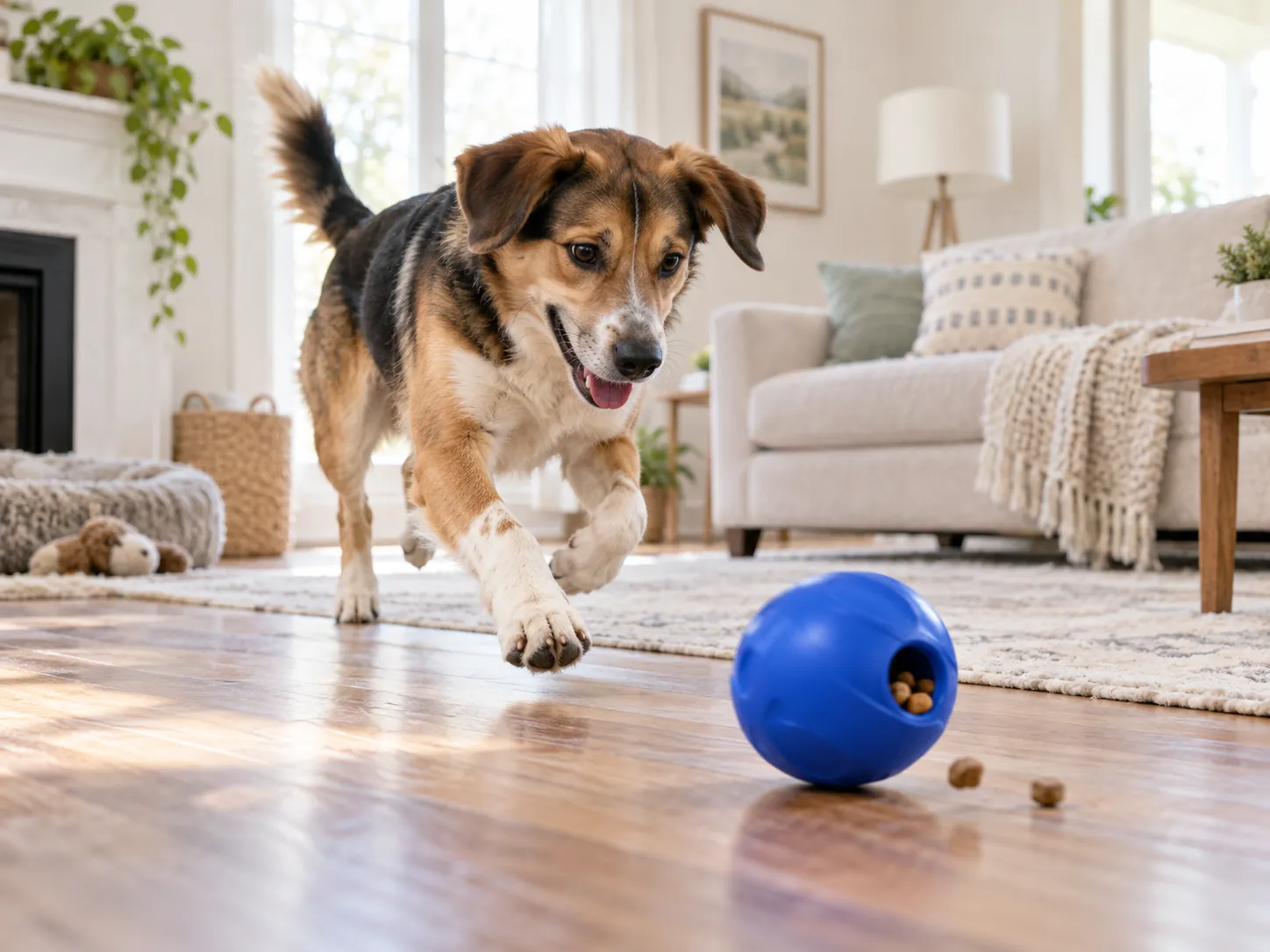
- Chase: Roll an appropriately sized toy a short distance in a clear area. Keep throws low and controlled.
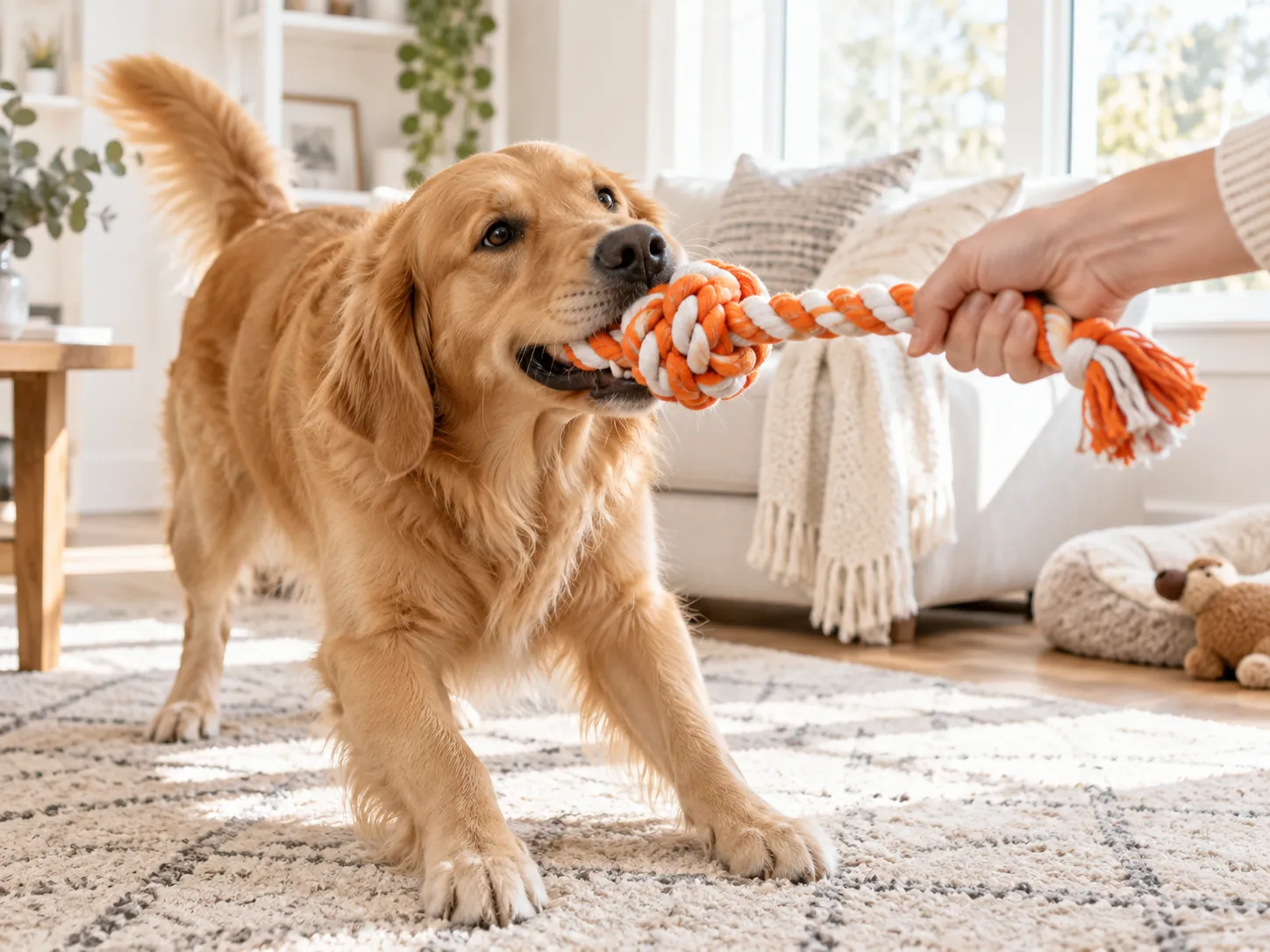
- Tug: Offer a suitable toy, pull gently, pause, and trade for a reward. The AKC's tug advice emphasizes short bouts and careful body position.
- Lick: Spread a thin layer of a familiar food on a mat whose instructions permit that use. Supervise and remove it if your dog chews the material.
- Forage: Place part of the normal meal in easy-to-find spots on a clean surface. Make the search harder only if the dog enjoys it.
You can try these on separate days. There is no need to rank the dog or force a full session in each category. Food activities should use an appropriate portion of the dog's usual diet unless a veterinarian has advised otherwise. Keep multiple dogs separate around food if competition is a concern.
Preference is not a diagnosis
A dog licking a mat is not automatically calm. A dog chasing a toy is not automatically overactive. An apparent preference may reflect what is familiar, what food is on offer, the setting, or the dog's condition that day. Avoid turning ordinary play into a claim about fear, distress, or treatment needs. Sudden changes in appetite, movement, or behavior deserve veterinary attention.
The AVSAB's humane-training statement favors reward-based methods and an animal's ability to opt out. That is a useful principle for a play quiz: the result should invite a choice, and the dog should be free to decline. Use the categories to create more opportunities, not to pressure a dog to perform.
A good result can change tomorrow
Preferences are context-dependent. A dog may enjoy a short chase outdoors and choose a sniff search inside. A new puppy may need an easy version of a game that an experienced adult solves quickly. A senior dog may prefer slower movement and a different surface. The same dog can enjoy tug with one person and ignore the toy when tired.
Treat the quiz as an invitation to observe. Keep a mental note of what the dog chooses, what is easy, and what needs adjusting. Repeat activities that work and retire ones that cause frustration or damage. The useful result is a better shared routine, not a permanent label. That is the honest meaning of chase, tug, lick, and forage at Pawplay.
Before following a product suggestion
Check the proposed toy against your dog's size, chewing style, and food needs. A chase suggestion does not establish that a particular ball is too large to swallow; a lick suggestion does not establish that an ingredient suits the dog's diet. Read final dimensions and care instructions once products are available. Stay nearby for the first use and put the item away if it breaks or the dog tries to swallow part of it. When no product fits, use the simple activity instead. The categories are meant to make play easier to choose, not to make a purchase necessary.
Common questions
It is a play-style prompt based on answers you give. It does not measure a clinical trait or diagnose behavior.
Yes. Many dogs enjoy several activities, and preferences can change with age, setting, and mood.
Use your own observations. Try another activity and choose the one your dog engages with comfortably.
Not necessarily. Watch the dog's whole behavior and context rather than inferring an emotional state from one action.