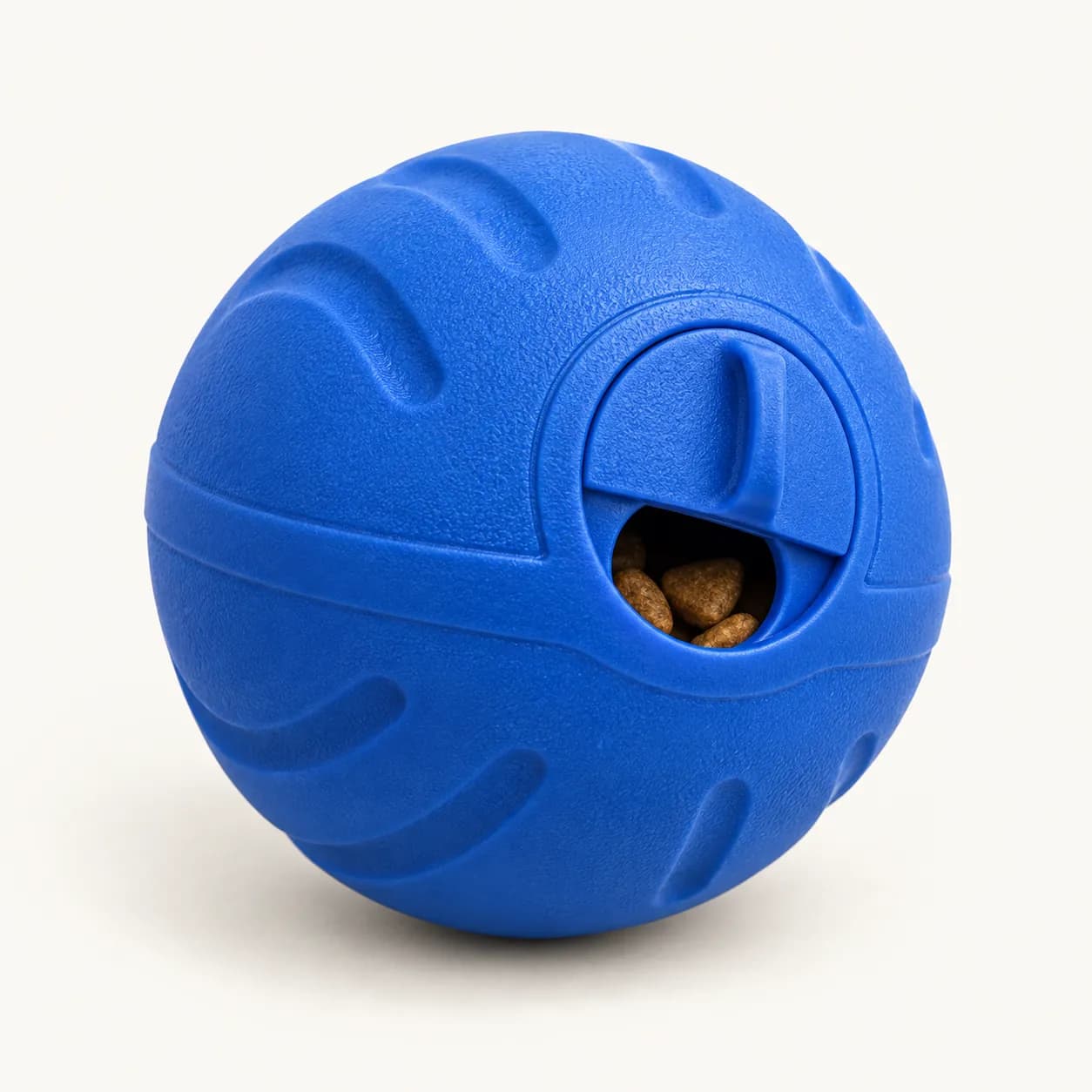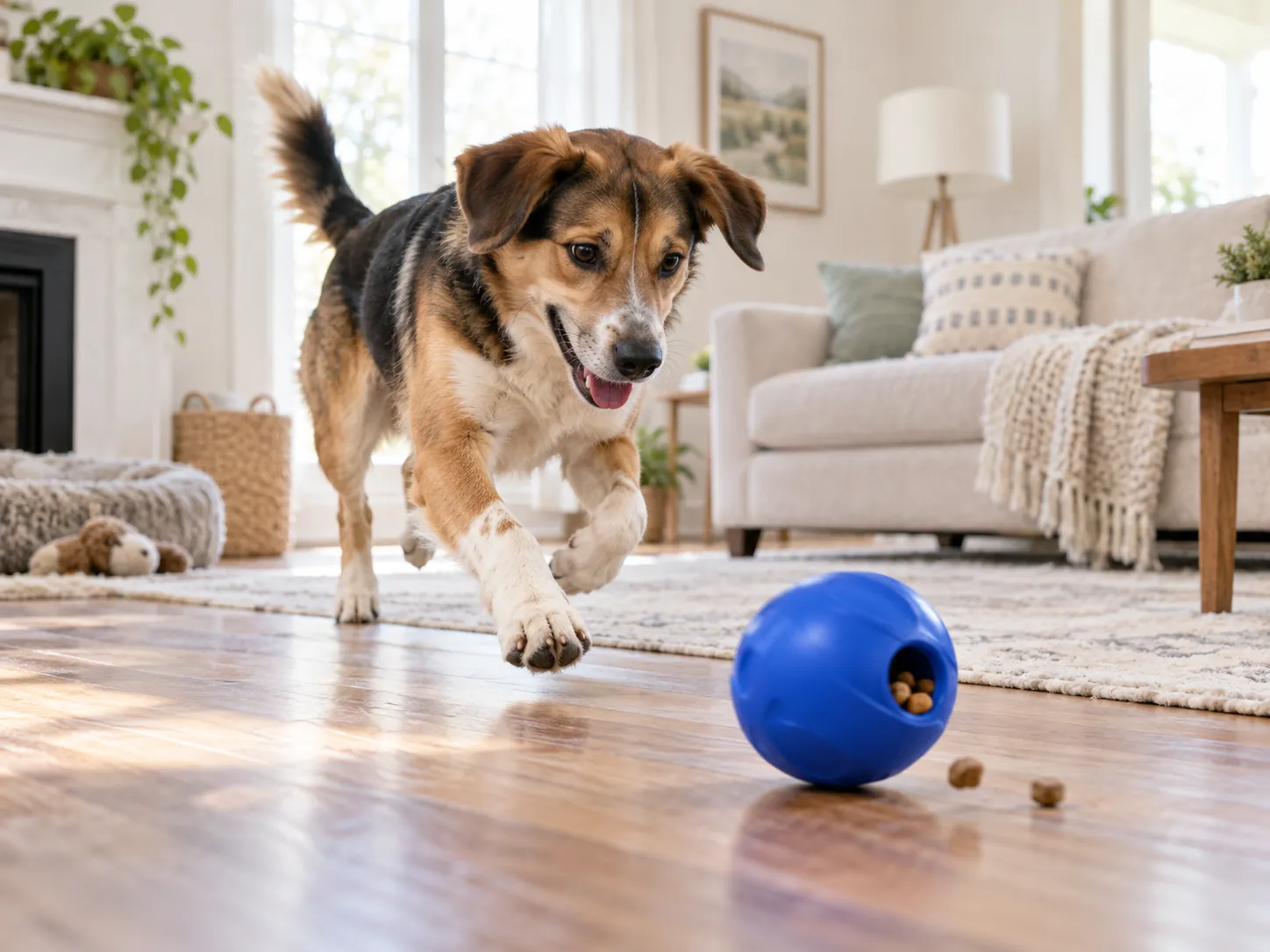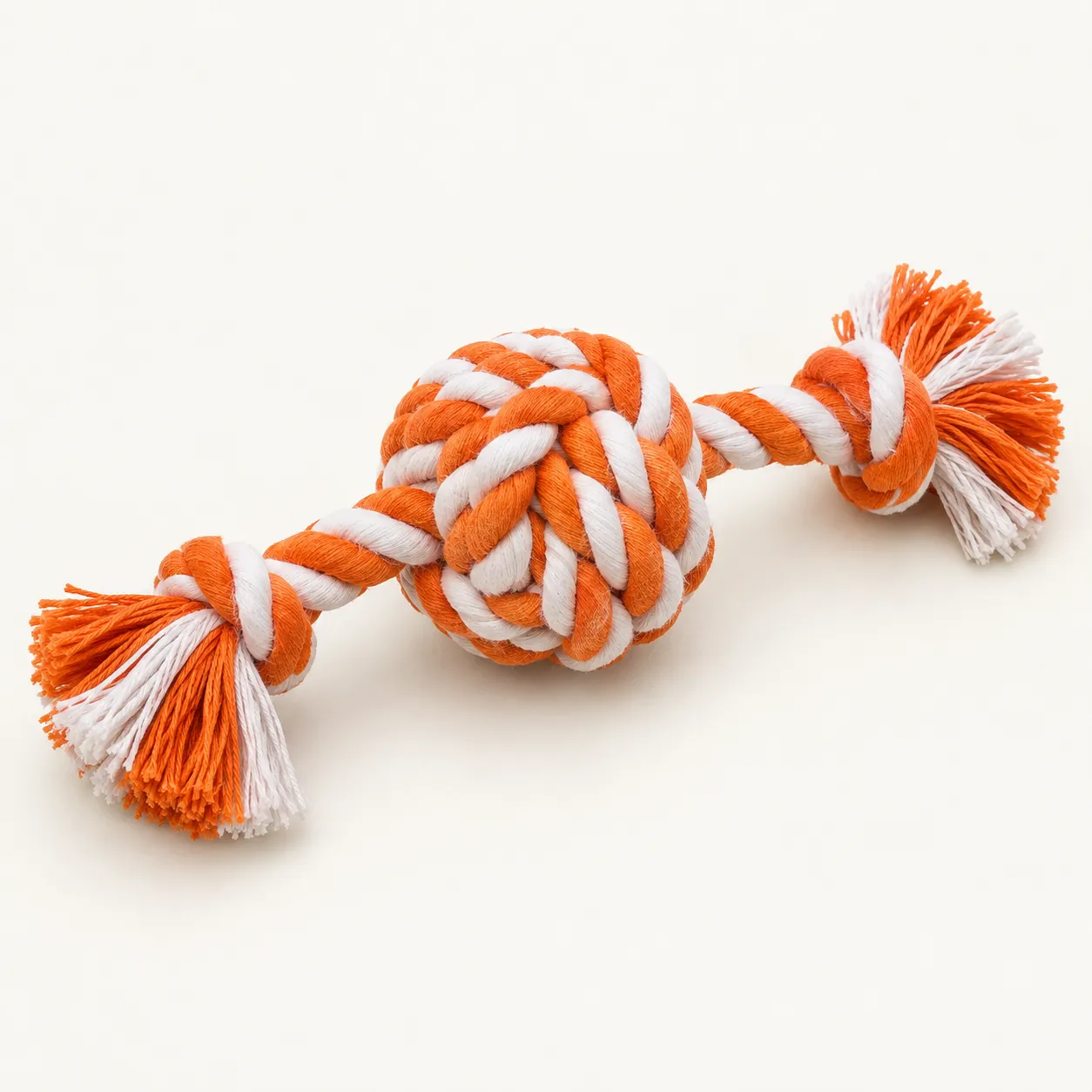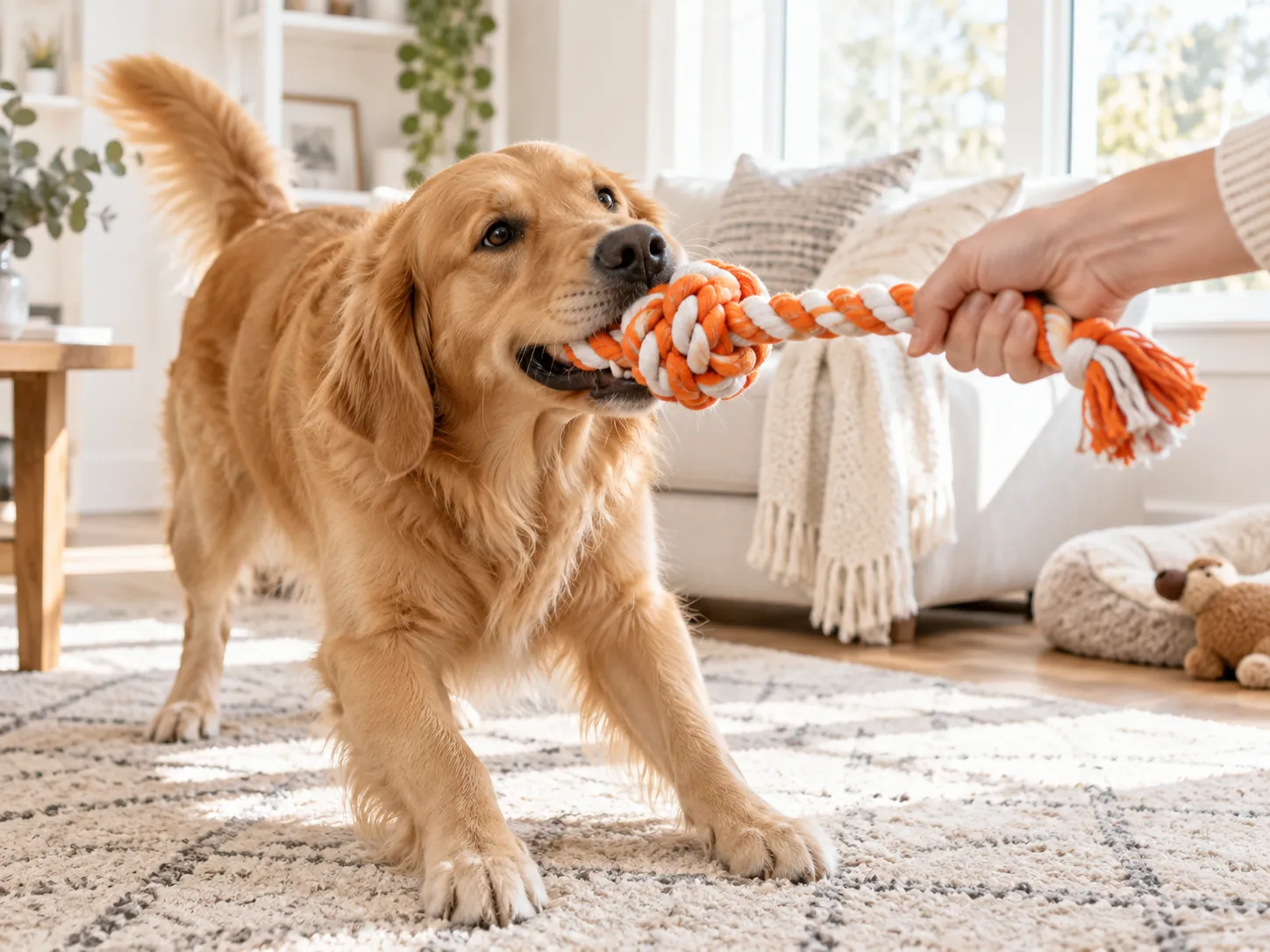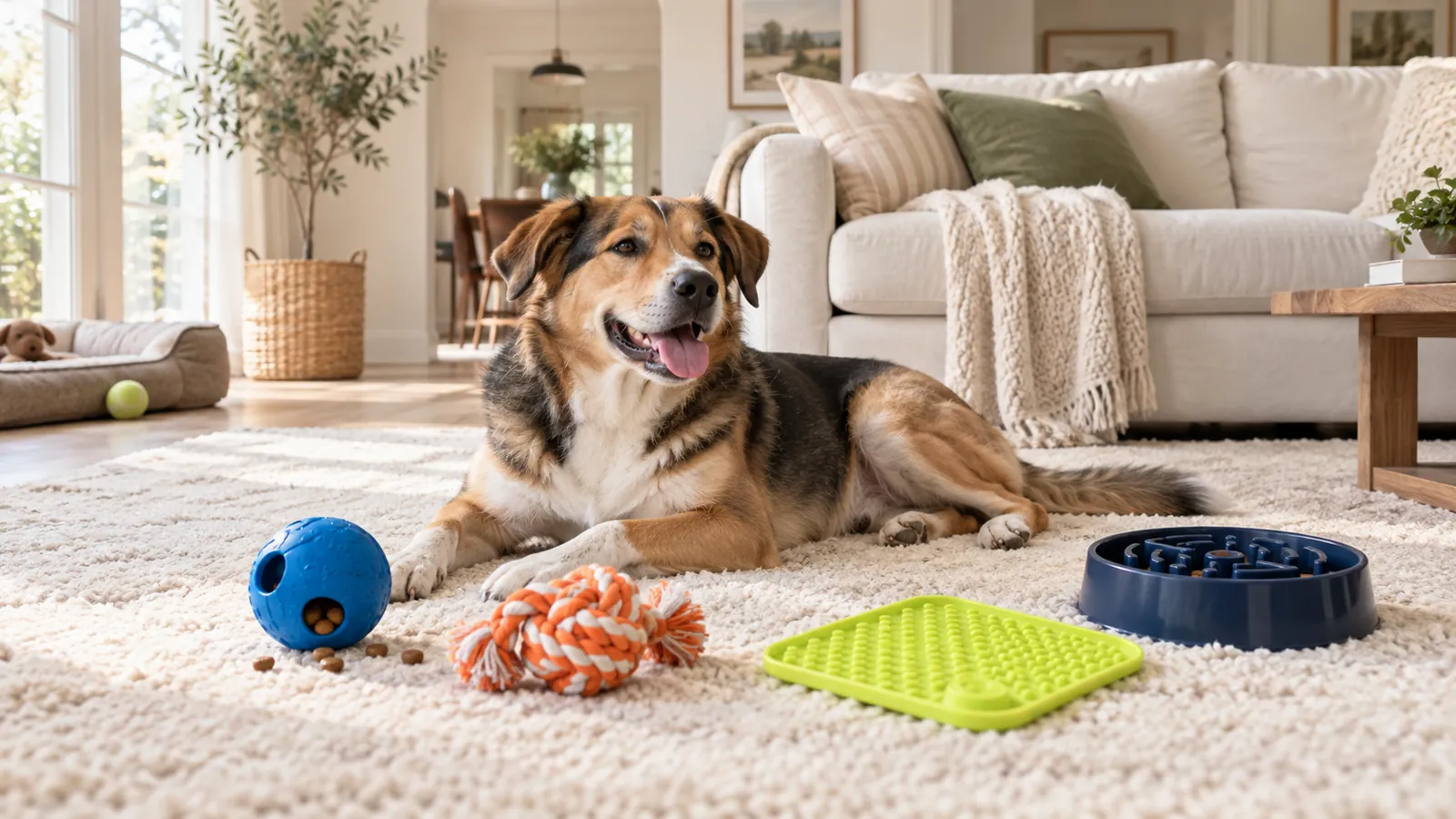
A ten-minute play routine is a convenient way to start an interactive session, not a rule about how much activity every dog needs. Choose one game your dog likes, begin gently, pause to check comfort, and finish before interest or safety slips. Walks, rest, social contact, and individual needs still matter. The ASPCA lists different kinds of exercise and mental engagement rather than one universal play duration.
Why use a short block at all?
An open-ended promise to “play more” can be hard to fit into a workday. A short block gives you a prompt to put down your phone and pay attention to your dog. Ten minutes is Pawplay's editorial routine, not a scientifically established dose or a guarantee that a dog will be tired afterward. Some dogs will want a shorter game; others will need much more activity across the day. Your dog, not the clock, decides whether the session is going well.
Prepare the environment first. Move breakable objects, check the toy's condition, and choose a floor with traction. Keep food rewards from a puzzle within the dog's normal meal plan. If the dog has mobility limits, pain, or a veterinarian-directed exercise plan, adapt the game to that advice.
| Play style | Simple ten-minute block | Easy way to reduce intensity |
|---|---|---|
| Chase | Roll a suitable toy, pause, invite return | Shorten the distance or replace with a sniff search |
| Tug | Invite a gentle pull, trade, restart | Lower resistance and add longer pauses |
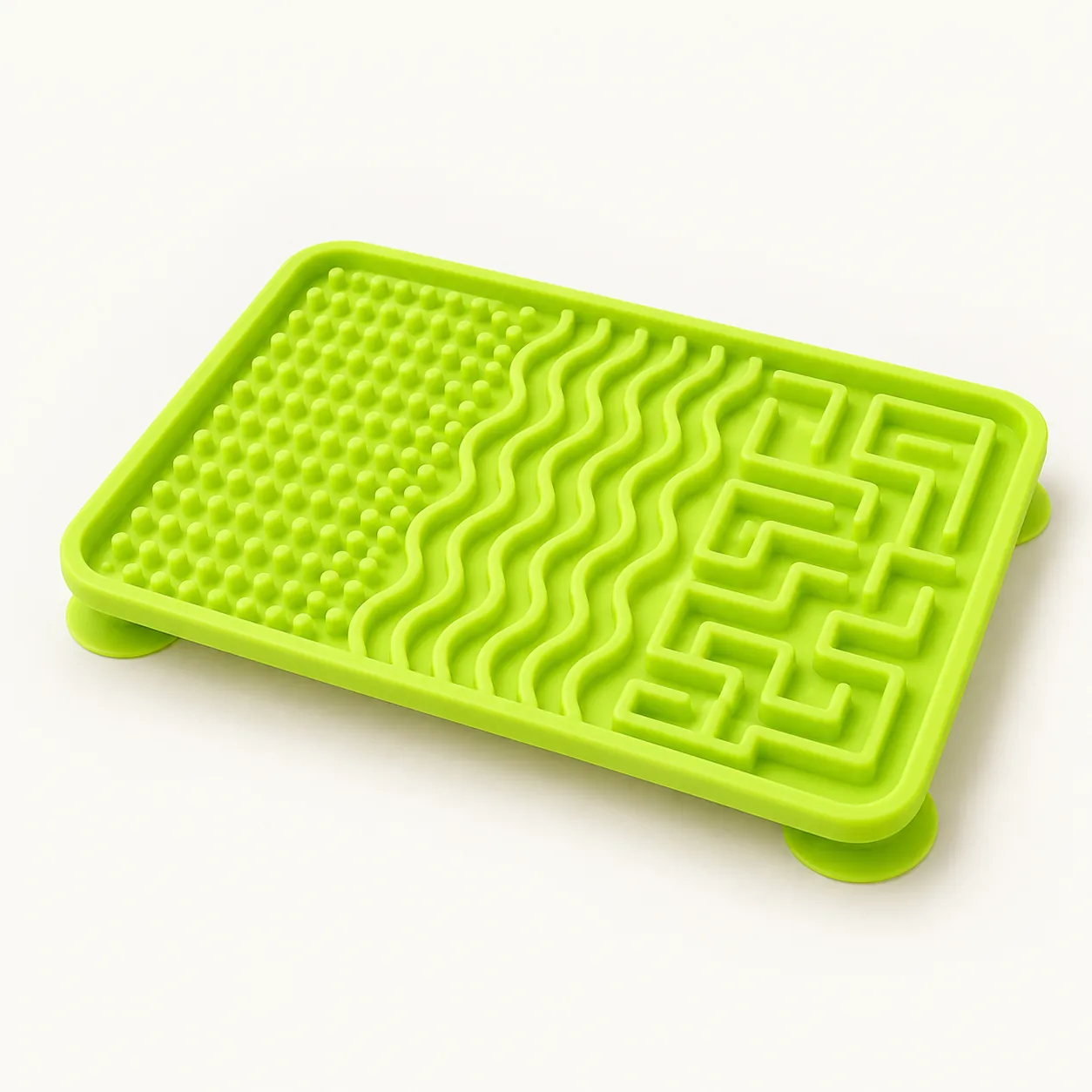
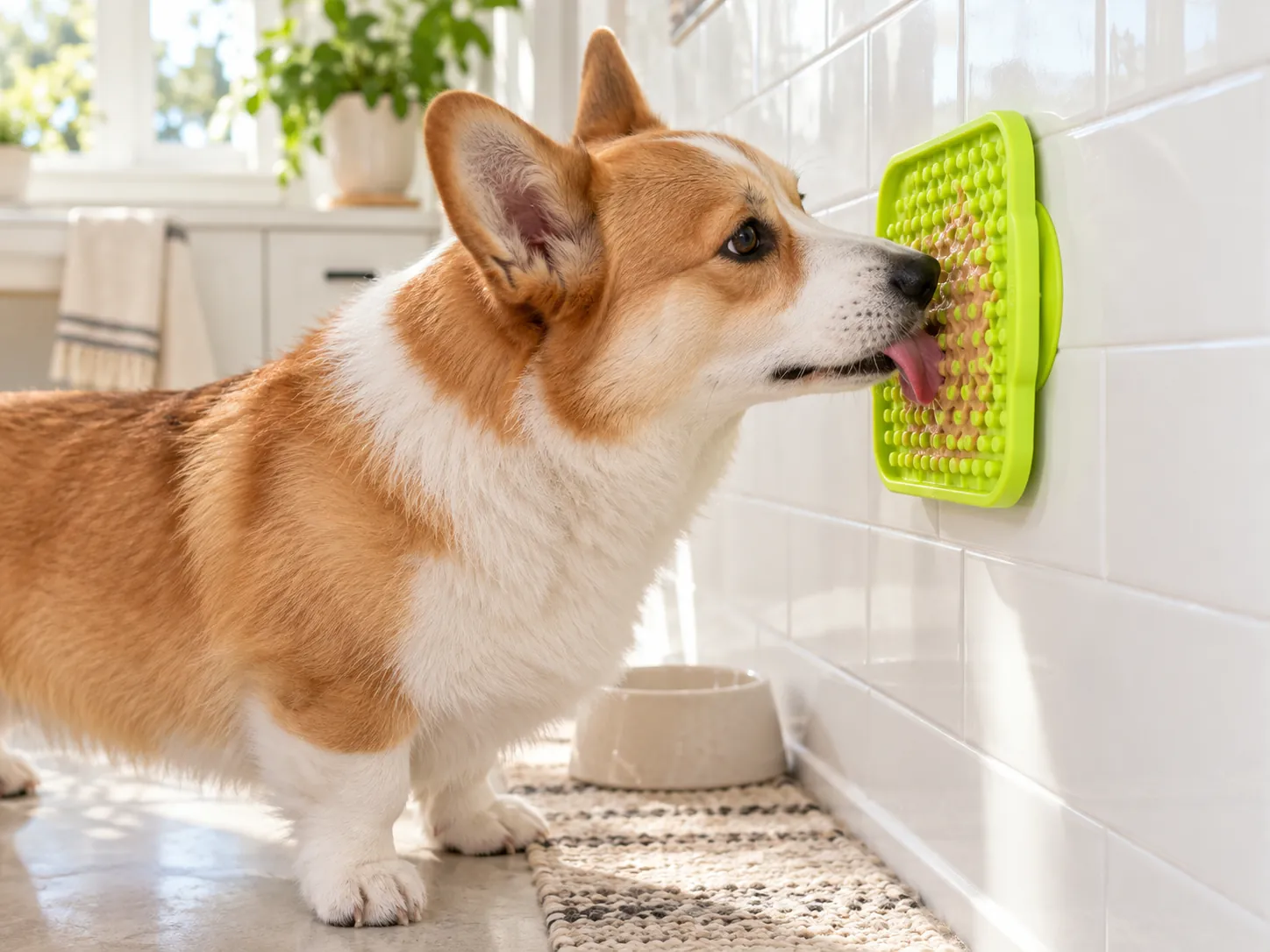
| Lick | Offer a supervised food mat | Use a smaller spread or ordinary bowl |
| Forage | Hide part of a meal in easy spots | Leave food visible and help your dog find it |
The start: offer a choice
First, ask whether your dog wants to play. Present the toy or begin a familiar cue, then wait. If the dog walks away, do not chase it with the toy. Try another activity later. If the dog engages, begin at a level that makes success easy. The ASPCA's enrichment examples include food searches and puzzles, but the same guide stresses watching dogs around DIY materials.
For a first food search, place a few pieces of normal kibble in obvious locations. For chase, roll a toy along the floor rather than throwing it through a crowded room. For tug, hold the toy low so the dog can keep its feet on the floor. A good beginning makes it easier to see what the dog actually enjoys.
The middle: play, pause, observe
- Start with one activity and keep the challenge easy.
- Pause regularly. Let your dog decide whether to come back for another round.
- Look for slipping, heavy chewing on the equipment, avoidance, or frustration.
- Adjust by making the game slower, simpler, or shorter.
- Stop if the toy is damaged or the dog seems uncomfortable.
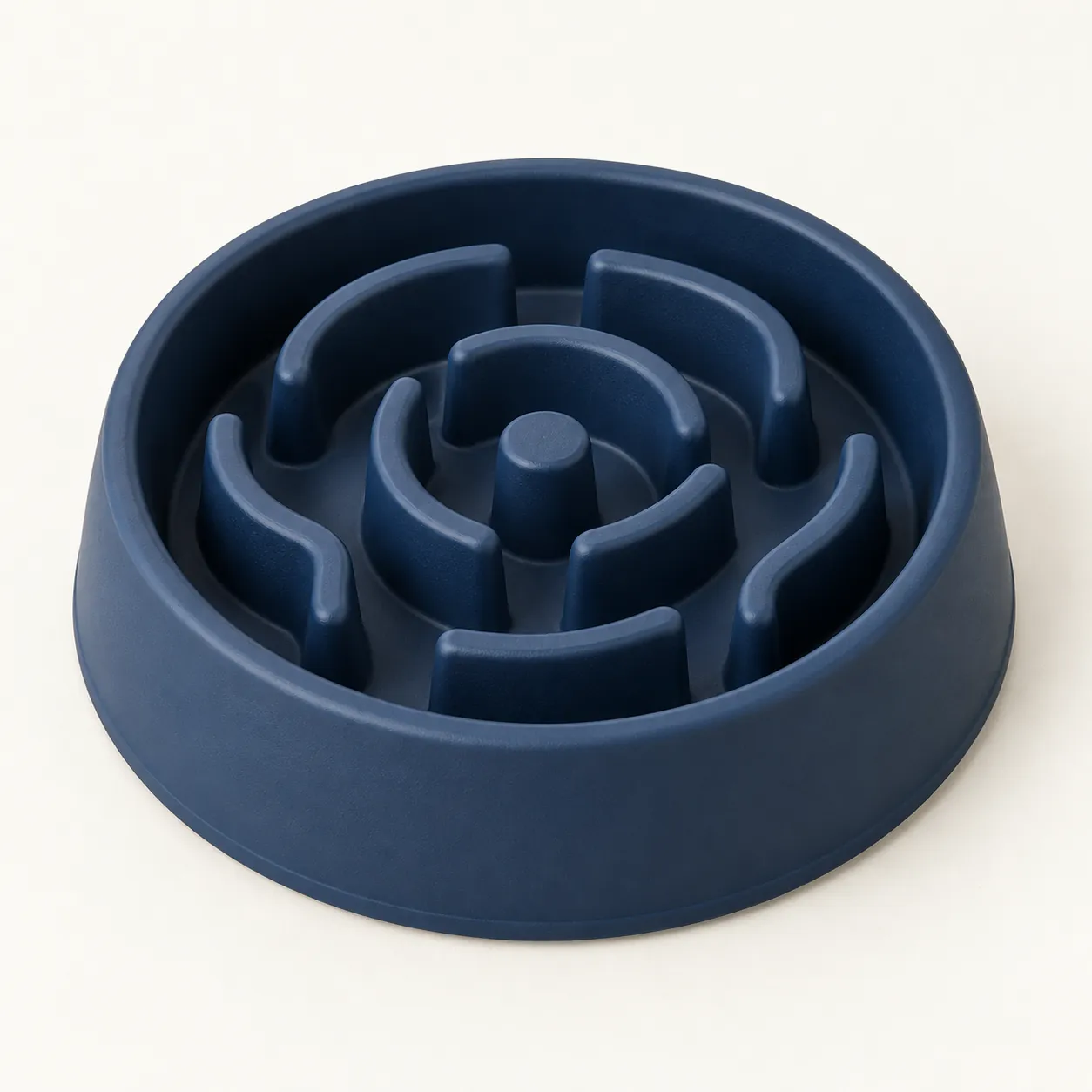
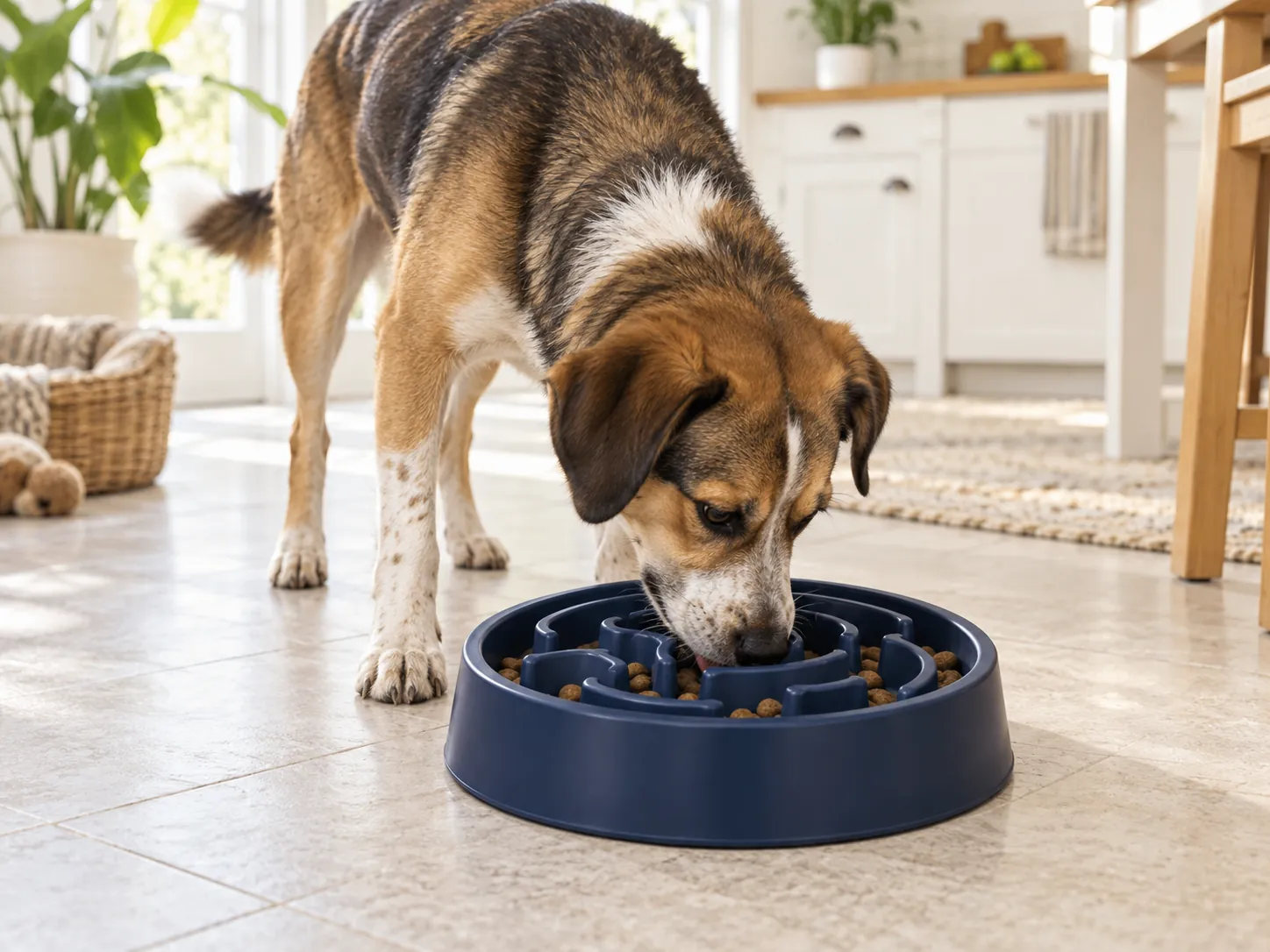
Short breaks are especially useful in tug. The AKC's tug guide recommends brief bouts with release practice and care for the dog's body position. For a food puzzle, help a dog that is stuck instead of making the puzzle harder. A dog that bites the container may be telling you the task is too difficult or the item is a poor fit.
Do not use excitement alone as a score. A dog can be highly aroused and still need a calmer game. A dog that pauses, sniffs, and looks back to you may be fully engaged. Notice the specific dog, the surface, and the day's energy level.
The finish: make stopping easy
End with a predictable cue, a friendly trade if the dog has a toy, and access to water and rest. Put food toys and ropes away after use. If the dog is still eager, another short block later may fit better than forcing the current game to continue. If the dog is ready to rest sooner, that is fine too. The session does not fail because it ends early.
The finish is also your chance to inspect the toy. Look for cracks, frayed fibers, loose pieces, or a food surface that needs washing. The ASPCA calls for active supervision when DIY enrichment items are accessible. A routine is only useful if each part remains safe for the dog using it.
How much play does a dog need each day?
There is no single number in this guide because dogs vary and play is only one part of their day. Age, health, breed tendencies, mobility, weather, and access to walks all affect what is appropriate. Consider the total pattern: movement, sniffing, learning, rest, meals, and time together. If you are unsure what activity is suitable for a puppy, senior dog, or dog with a health condition, ask your veterinarian for an individual recommendation.
Do not read destructive behavior as proof that the dog simply needs harder puzzles. The ASPCA's discussion of chewing describes multiple possible contributors, including inadequate stimulation and stress. Persistent behavior changes call for careful observation and professional guidance, not a promise from a toy.
Keep the routine humane
Use rewards and invitations, not pressure. The AVSAB position statement recommends reward-based training and allowing an animal to opt out. That applies well to play: a dog should be free to stop. A short, repeatable invitation that your dog looks forward to is the practical value of this routine. Use the four play styles as a menu, change the order when you like, and keep the clock in its proper place as a reminder rather than a measure of success.
Common questions
Ten minutes is a convenient session format, not a daily requirement or a substitute for walks, rest, and other care. Adjust to your dog.
Use short bouts and breaks. Stop when your dog shows discomfort, loses interest, or has trouble pausing.
It can be one form of enrichment if the dog enjoys working for the food and can use the item safely.