Dog enrichment means giving a dog appropriate chances to use its senses, body, and problem-solving skills. A sniffing walk, a short tug game, or part of dinner hidden in a simple puzzle can all qualify; the best choice is one your dog can enjoy without frustration or unsafe chewing. The ASPCA's enrichment guide describes opportunities to play, chase, smell, chew, and scavenge as part of a dog's ordinary behavioral needs.
What enrichment actually means
Enrichment is an activity, not a claim about a product. A toy can create an opportunity, but the dog decides whether that opportunity is interesting. If a puzzle sits untouched, it is not doing much for that dog. If your dog spends a walk investigating one patch of grass, that may be a satisfying sensory activity even though no toy is involved.
The useful question is: What does this dog want to do, and how can I make that possible here? Dogs differ in age, mobility, play preferences, food motivation, and tolerance for challenge. The AKC's guide to brain games explains that food puzzles ask dogs to work for a reward. They are one category of enrichment, not a universal answer.
| Opportunity | Easy starting point | Watch for |
|---|---|---|
| Sniff and search | Scatter part of a meal on a clean floor | Swallowing nonfood items |
| Move and chase | Roll a suitable toy a short distance | Slips, collisions, or frantic play |
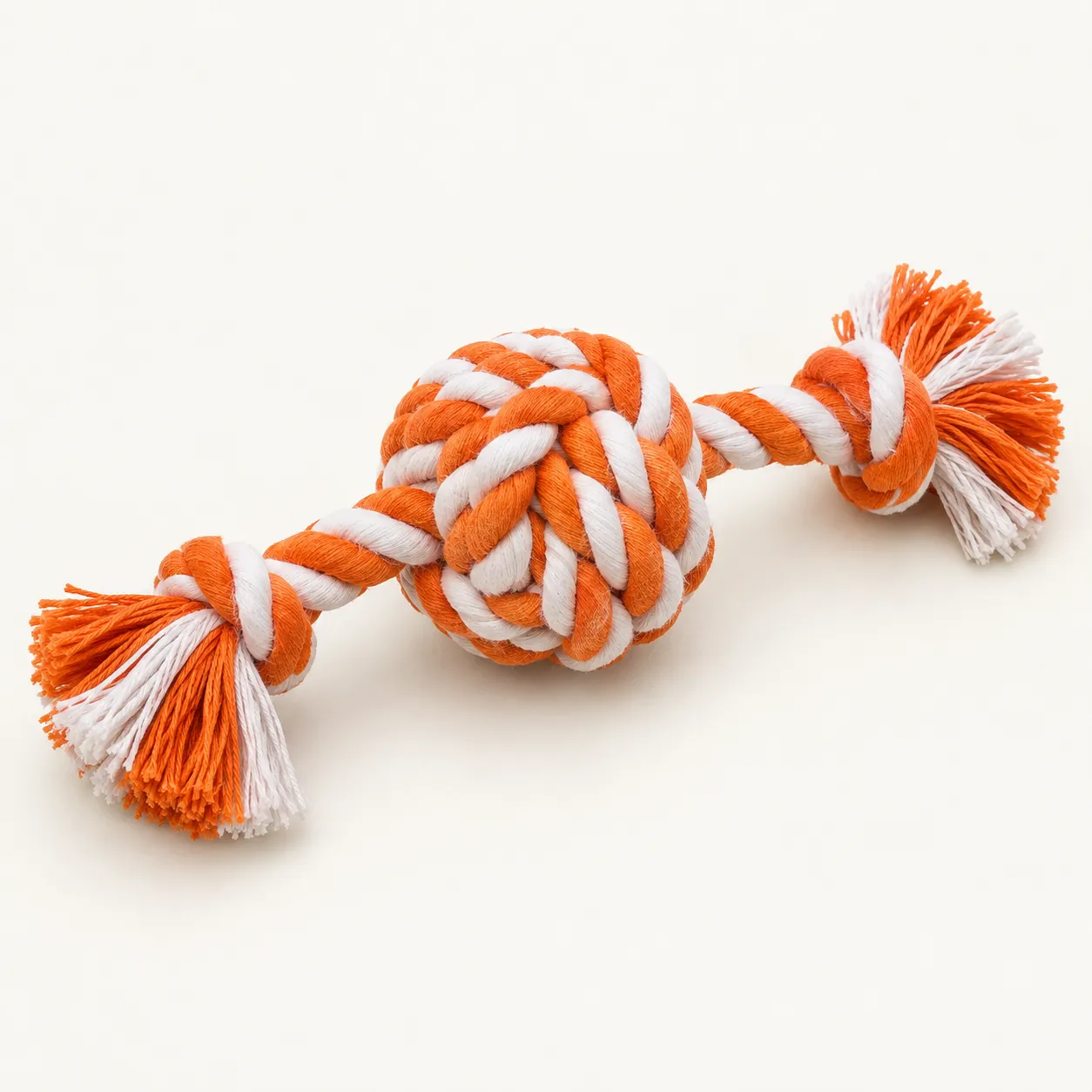
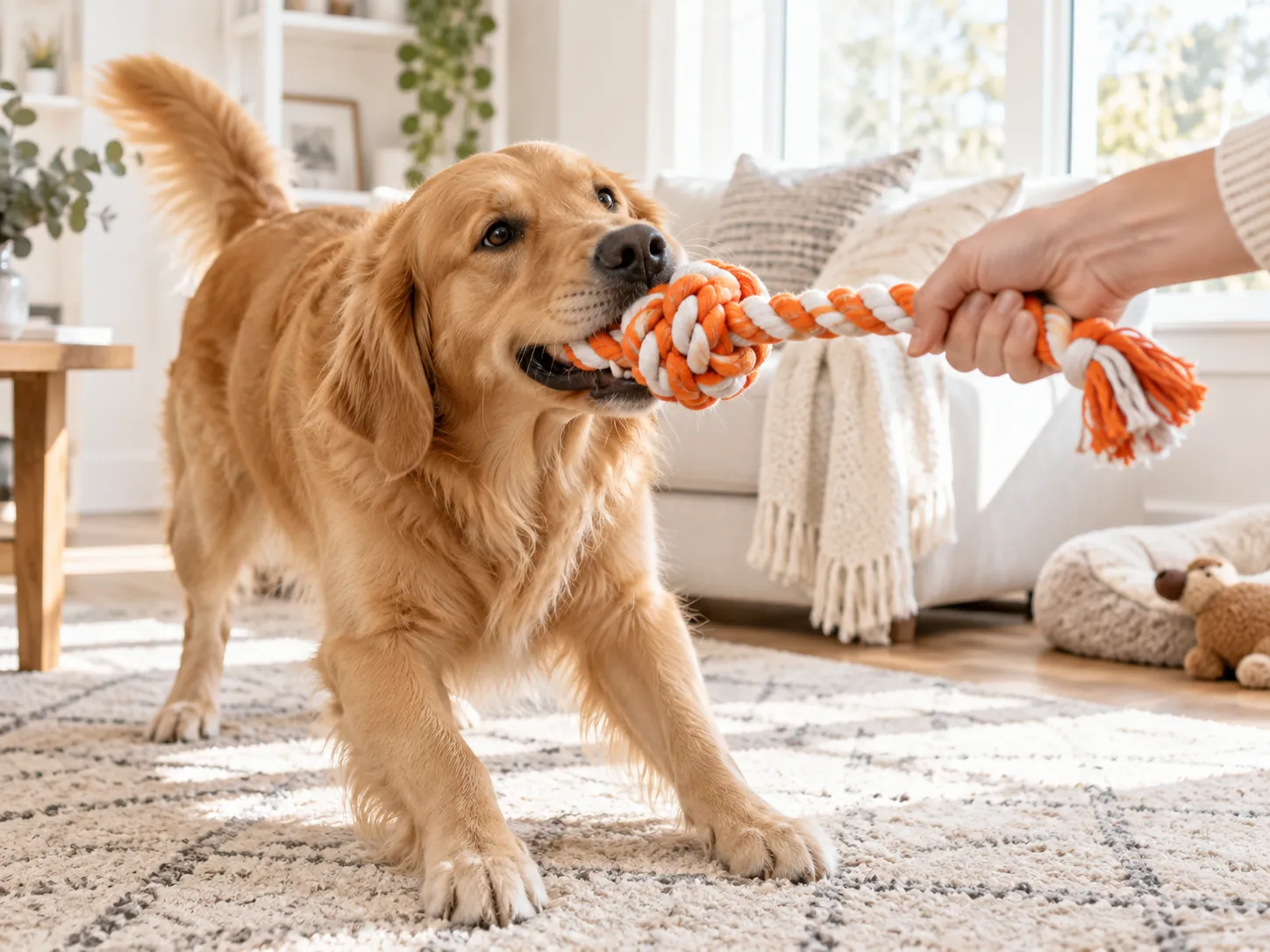
| Tug together | Offer a toy with room for both mouths and hands | Hard jerks or a fraying toy |
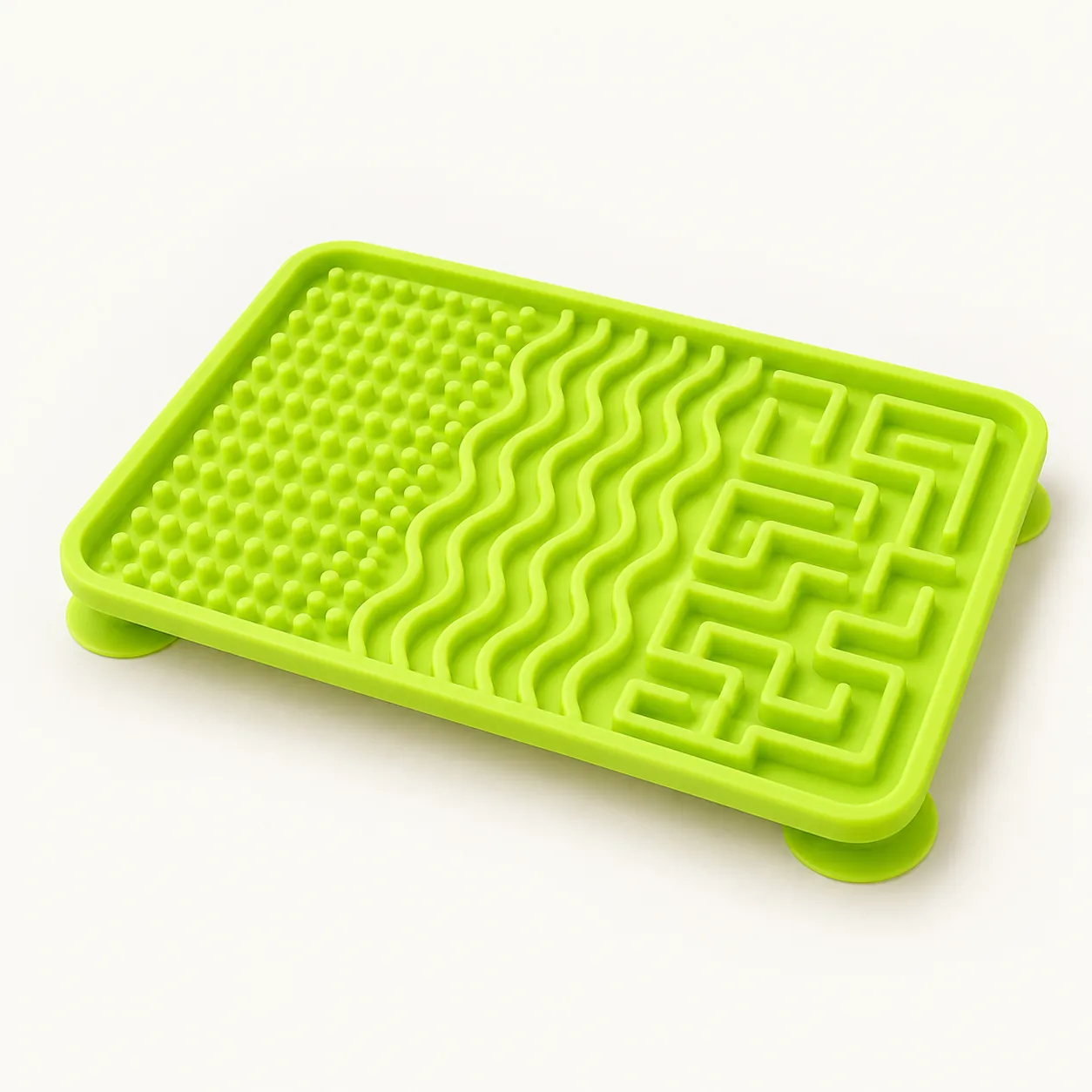
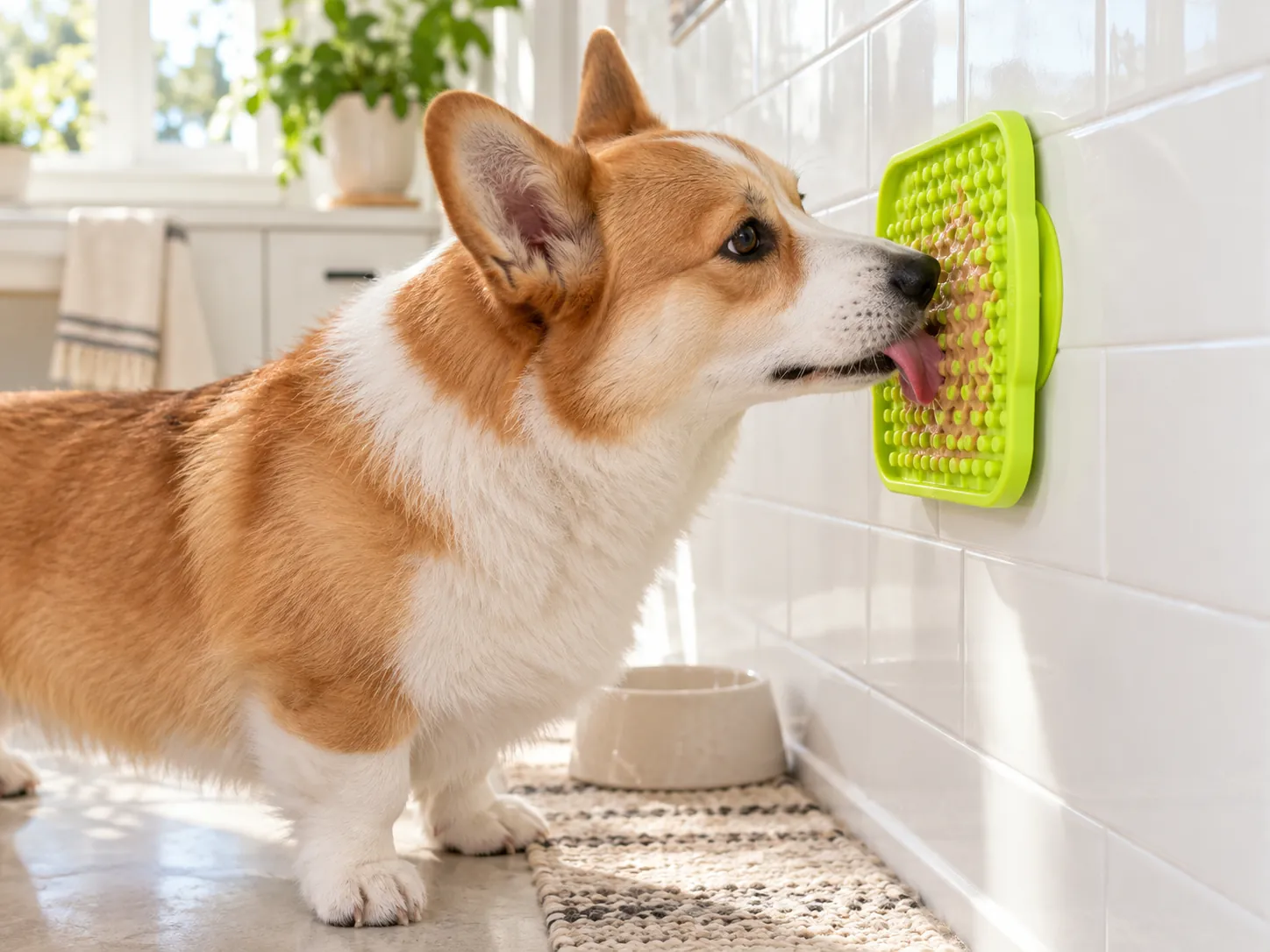
| Lick and work for food | Spread normal wet food thinly on a clean mat | Biting off mat material |
| Learn and choose | Reward a simple cue or let the dog choose a route | Fatigue or loss of interest |
Start with what your dog already enjoys
Observe a normal day before buying anything. Does your dog follow smells outdoors, carry toys over to you, carefully lick food from a bowl, or nose around for dropped kibble? Those habits point toward activities they may actually use. Pawplay groups play into chase, tug, lick, and forage because those are easy ways to organize a choice; they are not diagnostic labels or fixed personality types.
Try a small version first:
- Choose one familiar activity and a safe, quiet space.
- Make the first attempt easy enough that your dog can succeed.
- Stay nearby and watch how the dog interacts with the item.
- Pause while the dog is still willing to continue; offer water and a normal rest.
- Repeat or switch activities based on the dog's response, not a timer.
For a dog that loves food, put a few pieces of its usual kibble where they are visible, then gradually hide them more carefully. For a dog that brings a rope, invite a gentle tug and practice trading the toy for another reward. If the dog chooses to lie down, allow that choice. Enrichment should add opportunities, not make every waking moment a task.
Food puzzles without extra meals
A food puzzle can use part of the food your dog already eats. The ASPCA's guidance on chewing suggests putting some of a daily ration into a puzzle toy. That helps avoid turning every activity into an unplanned snack. Check the food's suitability for your individual dog, especially if a veterinarian has prescribed a specific diet.
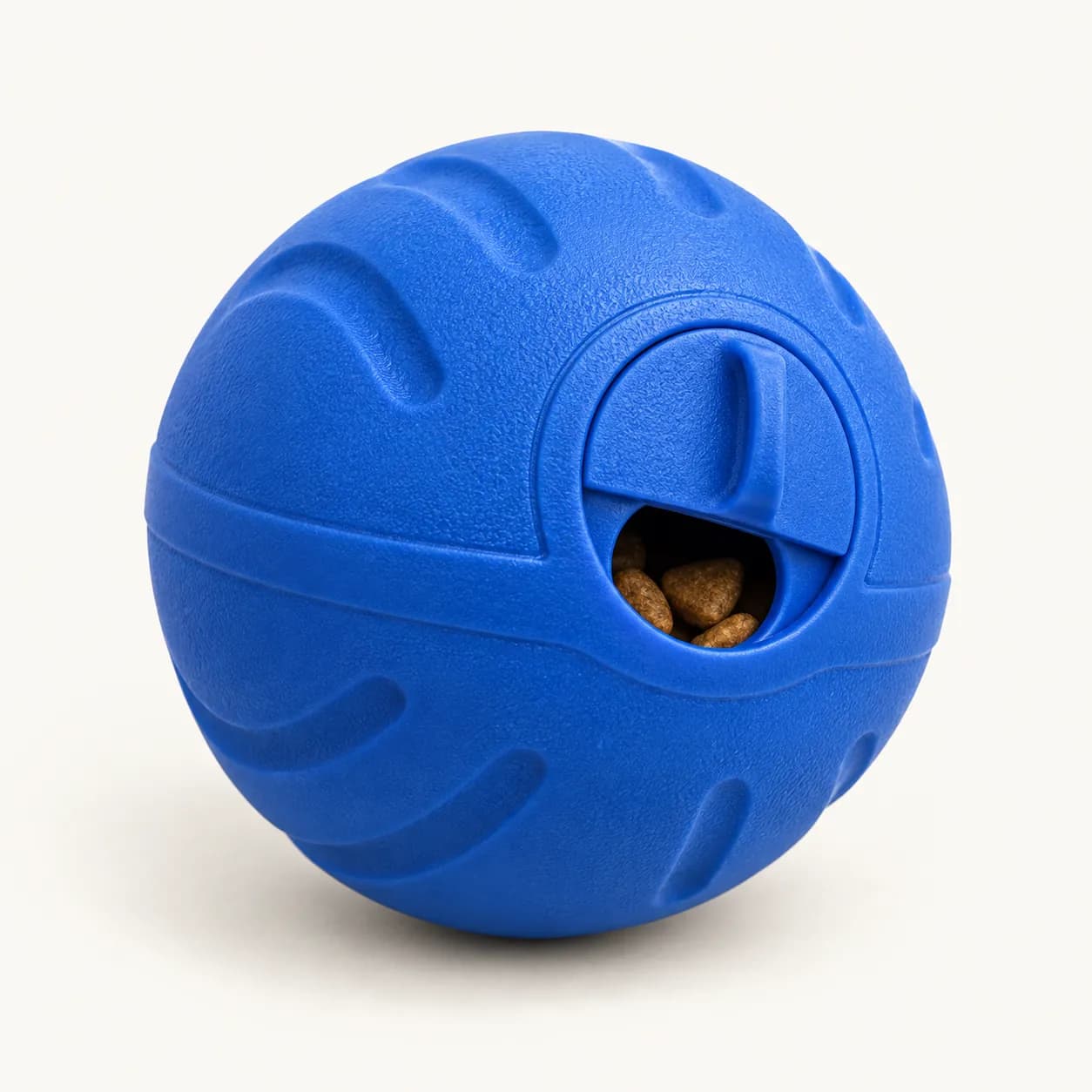
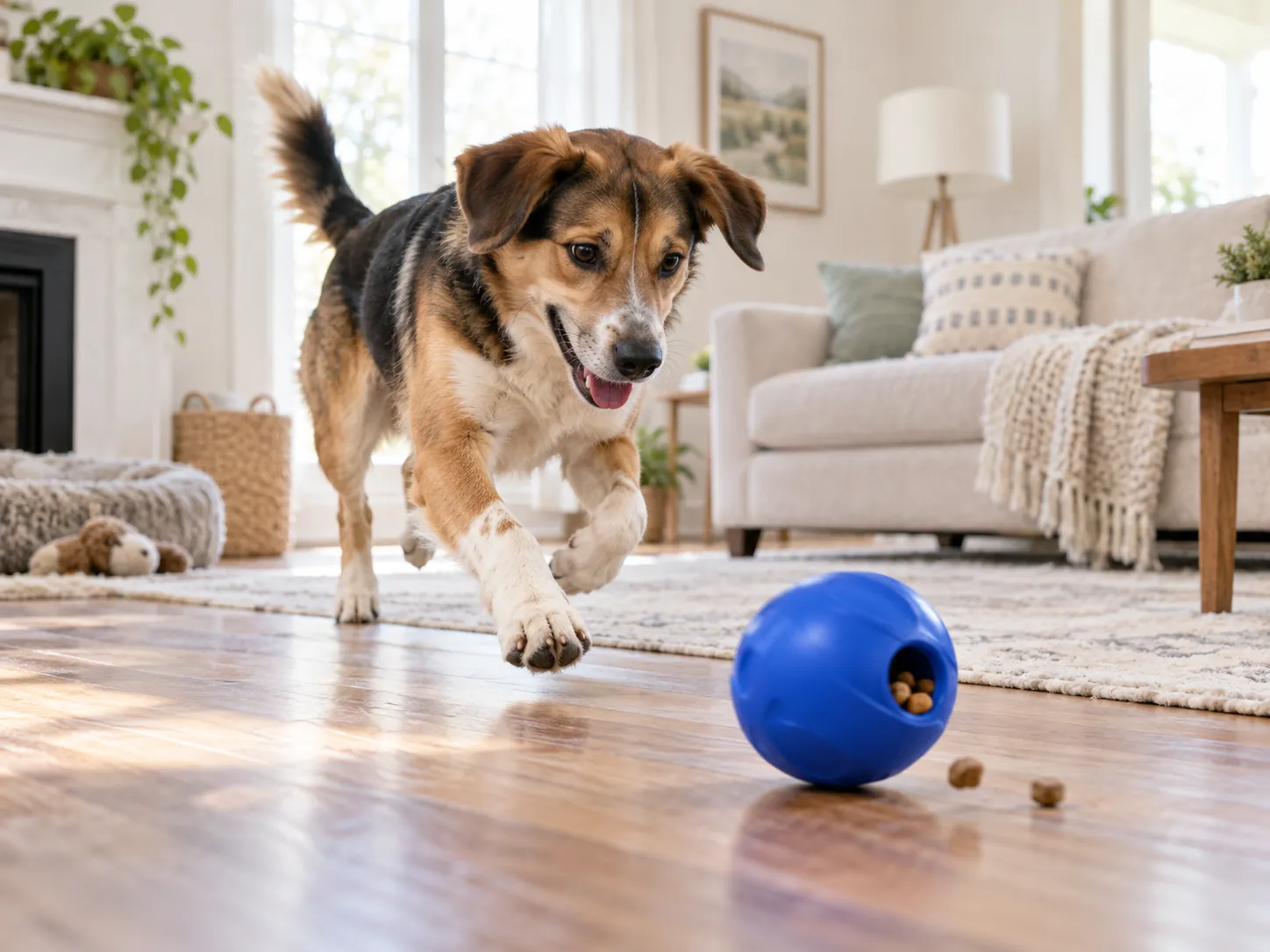
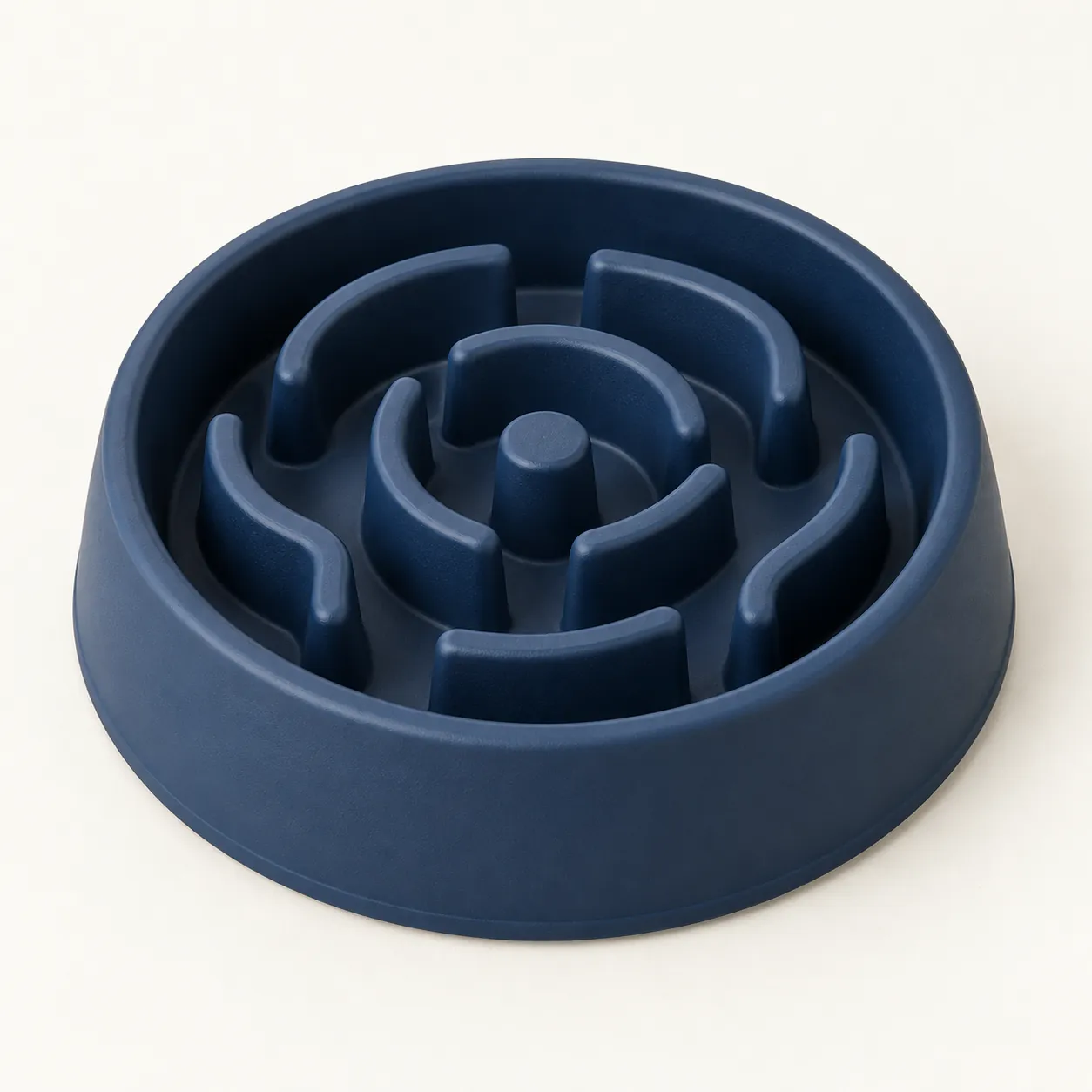
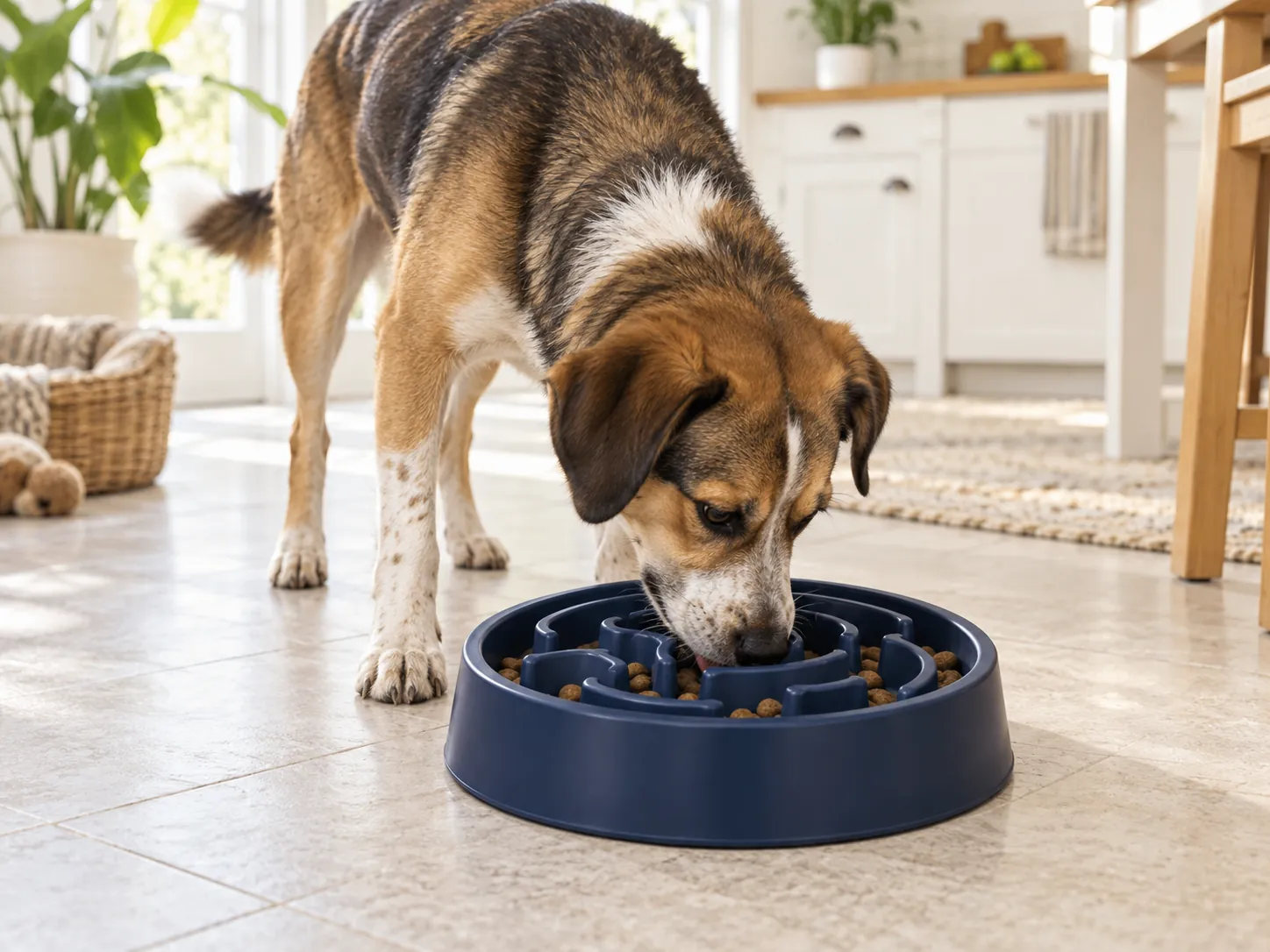
Start with a straightforward puzzle. Let your dog see how the food appears, and help if needed. A puzzle that is too hard can lead to chewing the container rather than solving it. A slow bowl, a simple treat-dispensing ball, or kibble scattered in a suitable search area each creates a different task. Pawplay's Slow Bowl and Treat Tumbler are planned examples of those formats; they are pre-launch, and final materials and dimensions need confirmation before any purchase decision.
Food tools also need cleaning. Wash food-contact surfaces after use according to their confirmed care instructions, and let them dry completely. Do not assume that every mat, bowl, or puzzle is dishwasher-safe. If a device has cracks, loose parts, sharp edges, or damage your dog could swallow, stop using it.
Balance play, movement, and rest
Enrichment works best as part of an ordinary day with walks, human contact, meals, and rest. The ASPCA lists walks, play, training, and food puzzles as different ways to engage a dog's mind and body. There is no need to treat a lick mat as a substitute for all of them. A dog that enjoys a sniffing walk may prefer that to another puzzle at home.
Notice the dog's response rather than assuming a particular game always helps. Signs of engagement might include returning to the activity, readily taking a break, and settling into normal behavior afterward. If a dog seems frustrated, guards food, bites pieces off equipment, or loses interest, simplify the activity or put it away. Sudden behavior changes, pain, or persistent distress deserve a conversation with a veterinarian rather than a new toy recommendation.
A simple weekly rotation
You can rotate opportunities without building a complicated schedule. Use a sniff-focused walk on one day, a short interactive game on another, and a food puzzle when you are able to supervise it. Repeat favorites. Rotation is useful only if it keeps the activities workable for your dog and household. Cornell's veterinary guidance advises avoiding small toys that can be swallowed and supervising play, a useful check whenever you bring an item back into use.
Keep the standard low enough to maintain. A few minutes of attentive play can be more useful than a complicated project that stays in a drawer. The goal is to offer a choice your dog can understand, enjoy, and leave when finished.
Safety before novelty
Supervise new activities closely. Paper rolls, boxes, towels, and other DIY materials are useful only while your dog interacts with them safely. The ASPCA DIY guide specifically calls for active supervision and removal if a dog tries to ingest the item. Separate dogs around food activities if sharing creates tension, and put away any activity that encourages resource guarding. Choose a size and difficulty that fit the dog in front of you, and change course when the dog shows you it is not a good fit.
Common questions
Any suitable activity that lets your dog use natural behaviors, such as sniffing, searching, playing, chewing, or learning, can count. It does not require a special toy.
No. Food puzzles are one option. Walks with time to sniff, short training games, and interactive play also offer variety.
Indoor activities can help on difficult days, but they do not automatically replace movement, outdoor access, or your dog's normal care routine.
Make the task easier, use a familiar reward, or try a different activity. A dog that walks away may prefer a different kind of play.